


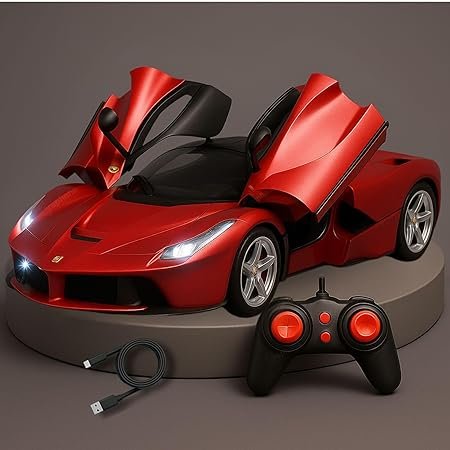
Wheel Toys: Little Wheels, Big Moments
There’s something quietly irresistible about a toy that rolls. Give a child a small car or a pull-along animal and watch the room change: hands reach, footsteps quicken, and suddenly the whole world is a track. Wheel toys do something simple — they move — and that movement turns curiosity into action. It’s immediate, satisfying, and ridiculously effective at getting a child involved.
I’ve seen toddlers chase a rolling truck with the same concentration they bring to a puzzle. I’ve watched older kids line up cars for careful races and narrate entire stories about deliveries, rescues, and road trips. Wheel toys are small engines for imagination.
Why Wheel Toys Work
Wheel toys teach without lecturing. A push becomes motion; a pull becomes a path. Those first cause-and-effect lessons are the brain’s favorite kind — quick, clear, and repeatable. But wheels do more than physics. They invite running, balancing, sharing, and inventing rules for play. They’re as useful for practicing motor skills as they are for inventing stories.
They also scale. A pull toy is perfect for a toddler finding balance. A small car with a removable driver suits a preschooler building narratives. A fast pull-back racer thrills an older child testing speed and timing. The same basic move — roll — grows with the child.
Types of Wheel Toys and What They Teach
- Push-and-Pull Toys: For walking toddlers, a sturdy animal on wheels or a wooden cart is gold. They encourage upright walking, coordination, and confidence.
- Toy Cars and Trucks: Great for narrative play and fine motor control. Cars teach spatial thinking (how to navigate around obstacles) and invite imaginative scenarios.
- Ride-Ons and Scooters: These develop balance, steering, and a sense of speed. They’re physical, social, and excellent for outdoor energy.
- Wind-up / Pull-Back Vehicles: These tiny experiments in cause and timing teach planning — wind, set, watch — and invite repeat play.
- Rolling Figures and Animals: These combine character play with motion. A rolling horse can be a steed, a parade float, or a rescue vehicle in a moment.
Each type supports different skills — gross motor, fine motor, sequencing, storytelling — but all do it through movement and fun.
What Makes a Great Wheel Toy
Some small choices in design make a big difference in how much a kid will love a toy:
- Smooth, Reliable Wheels: Quiet, well-rolling wheels invite indoor play; grippy wheels work better outdoors.
- Right Weight and Balance: Too light and the toy skates away; too heavy and little hands can’t manage it. A low center of gravity helps toddlers.
- Comfortable Handles: For push toys and ride-ons, handles sized for small hands make a child feel in control.
- Durable Materials: These toys get dropped, dragged, and stuffed into closets. Sturdy axles and robust finishes matter.
- Simple, Honest Mechanics: A satisfying click, a predictable glide, or a smooth pull-back keeps the focus on play, not frustration.
When those details are right, the toy fades into play and the child takes charge.
Ways to Play That Stretch a Wheel Toy
A wheel toy stays exciting when it’s used in different ways. A few easy ideas:
- Tape a road on the floor for parking challenges.
- Build gentle ramps from cardboard to teach speed and ramp effects.
- Use small boxes as “deliveries” for trucks — suddenly there’s a route and a purpose.
- Time short races to introduce counting and measurement.
- Roll toys through shallow trays of washable paint to make track art (supervised, washable paints only).
These tiny twists keep the toy feeling new and deepen the learning in playful ways.
Picking the Right Wheel Toy for Your Space
Think about where the toy will live. Tight apartments benefit from quieter, smaller wheels and compact ride-ons. Homes with yards can take advantage of grippier outdoor wheels and larger scooters. Also consider the child: a nervous first-rider needs stable support; an adventurous kid might want speed and challenge.
Durability and maintenance are practical concerns too. Check wheel mounts and axles occasionally; wipe down surfaces and store ride-ons in dry spots when not in use.
Where to Find Thoughtful Wheel Toys
Choose toys that feel good in a child’s hand and move in a way that invites play. For a curated selection chosen with movement and durability in mind, browse Sonpal Toys. For quick demos, play ideas, and little moments of joy, visit Our Instagram.
Small Wheels, Big Lessons
Wheel toys are more than tiny vehicles: they’re tools for exploring cause and effect, building confidence, tuning motor skills, and inventing stories. Put one in a child’s hand and you’ll see how a simple roll can turn into a small adventure — and how those tiny adventures add up to real learning and real joy
