



The Toy Marketplace: More Than Boxes on a Shelf
When people say “toy marketplace,” they usually picture shelves, search results, boxes, and colorful adverts. But really, it’s people. It’s the neighbor picking a birthday gift, the small maker testing new wooden toys, the online seller packing an order at midnight, and the kid whose face lights up when a present is opened. The marketplace connects those moments.
If you want to understand the toy marketplace without the buzzwords, think in real-life terms: what families need, how makers create, and how sellers bring the right things to the right homes. That’s what this piece will explain in plain, human language.
What Buyers Actually Want
Listen to parents for five minutes and a few needs come up again and again:
- Value over flash. People want toys that do something meaningful—teach, invite play, or last—rather than just make noise.
- Honest information. Clear age ranges, materials, and safety notes matter more than pretty pictures.
- Simplicity of shopping. Easy returns, good photos, and straightforward shipping make buying less stressful.
- Local and sustainable choices. Many shoppers now prefer toys that feel responsibly made or that tell a local story.
- Gifts that fit a life. Space, sibling sharing, and durability often beat novelty.
The marketplace responds when sellers listen to these human priorities rather than chasing short-term trends.
How Makers Fit In
Makers and designers are the marketplace’s storytellers. The best of them do a few simple things well:
- Design for touch. Toys that feel good in the hand get picked up and kept.
- Design for repair. Replaceable parts and simple mechanisms extend life.
- Tell the story. Why this toy? Who is it for? That little narrative helps shoppers imagine it in their home.
- Price fairly. Honest pricing that matches materials and labor earns repeat customers.
Small makers often thrive by focusing on one clear strength—good materials, local stories, or clever mechanics—and building from there.
Retailers: The People Who Make Shopping Easy
Retailers—online and physical—win when they remove friction. That means:
- Clear categories and honest filters so buyers find what fits a child’s age and interest.
- Useful content — short videos, demo photos, and simple play ideas that show what a toy actually does.
- Friendly service that helps, not pressures, parents to pick something that fits their life.
- Good return policies so a mistaken purchase becomes a small, fixable problem.
A shop that acts like a helpful neighbor is the kind parents return to.
Trends That Matter (Human Version)
Some trends are noise; others are signals. Right now the signals are clear:
- Open-ended play continues to win. Blocks, loose parts, and creative kits keep outlasting gimmicks.
- Hybrid physical-digital experiences are careful, not flashy. When tech helps extend play—new ideas, challenges, or instructions—it’s useful. When it takes over, it’s not.
- Sustainability and local production are becoming buying factors, especially for families who plan to pass toys along.
- Compact active play (small outdoor sets, portable ride-ons) fits city lives and sells well.
Markets change, but people’s underlying tastes—durability, honesty, and usefulness—stay steady.
How Small Sellers Can Compete
If you make or sell toys and you’re competing with big brands, here’s what works:
- Be clear about benefits: don’t promise everything—explain one big thing your toy does well.
- Use real photos and short demos: show the toy being used by a kid, not just staged studio shots.
- Offer easy returns and good packing: broken or late deliveries kill trust faster than anything.
- Tell a small story: who made it, what it’s made from, the small idea behind it. Stories sell when they’re honest.
People prefer to buy from sellers they trust. Trust is earned by doing the basics well.
How Consumers Can Shop Smarter
If you’re buying toys, here are quick human tips:
- Match the toy to the child and the home. Don’t buy the loudest thing—buy what fits the kid’s temperament and family routine.
- Check materials and size. Make sure it suits small hands and small spaces if needed.
- Read a few real reviews. Look for patterns—if multiple buyers note the same issue, listen.
- Keep receipts and check return policies. Mistakes happen; easy exchanges save stress.
- Consider local makers for gifts. They often offer stories and craftsmanship that big boxes don’t.
Shopping is easier when you think of the toy as a small tool for play, not just a novelty.
The Marketplace Is Local and Global at Once
What’s interesting about the toy market today is how it blends local makers and global brands. You can find handcrafted wooden toys made nearby and also the latest international hit delivered to your door. Both have a place: one for story and craft, the other for scale and variety. Smart marketplaces—and smart buyers—mix both.
Where to See a Thoughtful Marketplace in Action
If you want a curated selection that values craft, play, and durability, check Sonpal Toys. For quick ideas, demos, and glimpses of how toys are used in real homes, see Our Instagram.
A Human Final Thought
The toy marketplace is less about inventory and more about moments. It’s about the small chain of choices that starts with a maker’s idea and ends with a child laughing. When makers design with care, retailers serve with honesty, and buyers shop with common sense, everyone wins. Toys then do what they’re meant to do: invite play, teach a little, and make days brighter.
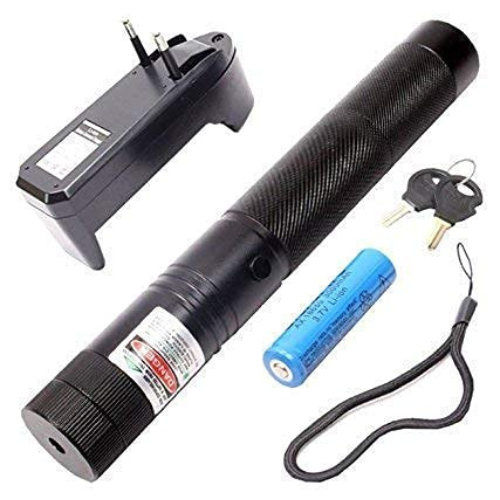
Aluminium Laser Light Powerful 1000MW Rechargeable Green Laser Battery Powered LED Pointer Pen for Kids to Play, 2000 Metres Laser Pointer High Power Pen, 5 Volts
1. Introduction
Meet the Famous Car 1:22 Scale High‑Speed RC Racing Car in Blue—a sleek, fast, and feature-rich racing toy designed to bring high-octane fun t…
