


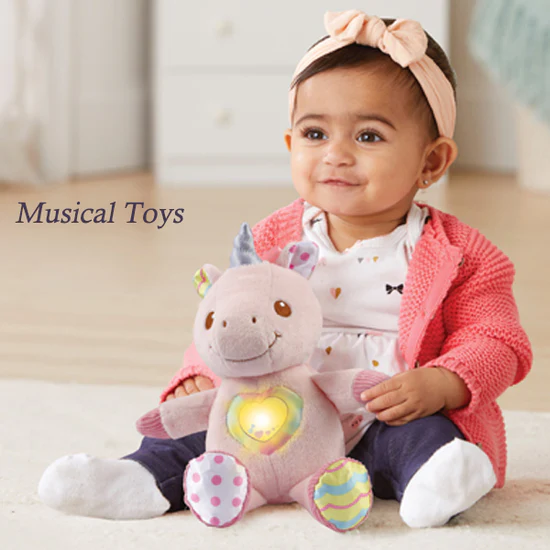
The Subtle Magic of the Special Toy
Magic in toys is less about illusions and more about transformation. A simple mechanism, a gentle surprise, or a moment of unexpected movement can turn ordinary play into a memorable event. These toys do more than amuse; they make cause and effect feel like discovery, and they make repetition feel like mastery. The result is a kind of enchantment that feels both immediate and lasting.
Design that creates this effect values restraint. A brief chime at the right moment, a tiny light that marks success, or a subtle motion that suggests life—these are the kinds of touches that invite children to lean in rather than shout back. The magic is in the invitation to explore, not in the spectacle.
Quiet Surprises
A small surprise can turn a routine action into a story. The tilt of a toy that causes a hidden panel to pop, the way a crank sets an internal figure in motion, or the soft glow that appears after pieces are assembled—these moments of surprise reward attention. They teach that observation matters and that exploration leads to result.
Well-made magic toys use these cues sparingly. When surprises are rare and meaningful, they become milestones: the first successful spin, the first audible response, the first time a mechanism is understood. Those milestones are small achievements that quietly bolster confidence.
Sensory Invitation
Magic in toys often rests on sensory detail. The cool weight of a wooden bead, the satisfying click of a well-fitted peg, the gentle hum of a winding mechanism—these sensations reward touch. Light and sound, when used thoughtfully, emphasize completion and focus. Movement offers rhythm and timing.
Tactile, auditory, and visual elements combine to make interactions memorable. A toy that feels pleasant to hold and pleasing to manipulate tends to invite repeated play. Repetition is where learning and wonder accumulate: the same small action, repeated, becomes a practiced skill and a remembered delight.
Moderation and Meaning
Effective magic resists the temptation to overwhelm. Not every toy needs lights, music, and motion. In many cases, the most powerful effects are the smallest ones: a gentle sound, a single blink, a short vibration. These restrained responses preserve attention and encourage the child to fill the rest with imagination.
When toys demand constant stimulation, attention becomes scattered. When responses are measured, the child’s ingenuity becomes the engine of play. The toy provides a nudge; the child builds the narrative around it.
Shared Delight
Magic is often social. A quick trick—making a figure appear from beneath a cloth, or showing how a toy can transform—becomes an invitation to share. Those moments foster turn-taking, imitation, and communal laughter. Play becomes a conversation rather than a solitary occupation.
Shared magic also strengthens memory. A small performance repeated with a sibling or an adult acquires ritual quality, which roots the toy in the routines of daily life. That repetition deepens attachment and gives a toy a stable role in family play.
Durability and Trust
Toys meant to inspire wonder should also be built to last. When components are sturdy and finishes are safe, play can be fearless. Durability means the same magic can be rediscovered many times over. A toy that survives repeated handling becomes a familiar companion rather than a momentary amusement.
Reliability is part of the enchantment. A mechanism that functions predictably, a light that always blinks when expected—these qualities make exploration rewarding. Trust in the object lets curiosity proceed without interruption.
The Subtle Art of Design
Creating magic in toys is a small engineering of delight. It calls for attention to scale, to sound volume, to timing, and to tactile quality. It requires thinking about how a child’s hand meets an object, how eyes follow motion, and how a tiny noise punctuates achievement.
Design that favors simple, meaningful interactions encourages deeper play. The best toy magic is a partnership between maker and player, where the object offers a suggestion and the child supplies the story.
Lasting Wonder
Magic in play does not need to be loud. In many cases, the most lasting enchantment is quiet, small, and repeatable. A single mechanic will teach more over time than a dozen gimmicks taught once. The toys that sustain wonder are those that invite repetition, reward attention, and withstand use.
Choosing the Right Special Toy
A special toy is not defined by price or polish alone; it is defined by the moments it returns. Look for a balance: tactile satisfaction, reliable mechanics, and design that asks for attention rather than forcing it. A special toy values being rediscovered. When a child returns to a special toy again and again, each visit becomes a small rehearsal of skill and imagination.
A special toy should be forgiving. It should invite repetition without breaking the rhythm of play. It should be sized for small hands and feel engaging to hold. A special toy is a quiet teacher and a steady companion.
A special toy tends to ask fewer questions of the child and offer more opportunities for the child to ask questions of it. Those moments—small, private, and often repeated—are where wonder accumulates.
A special toy that rewards attention becomes an instrument of learning; a special toy that holds up to rough treatment becomes an instrument of trust. Together, these qualities make a special toy a rare and valuable object in a child’s daily life.
The Social Life of a Special Toy
Watch a child show a special toy to another child and you will see learning happen twice: once in the demonstration, and once in the sharing. A special toy becomes an object of instruction, play, and performance. That social exchange fosters language, empathy, and cooperative play.
Families that incorporate a special toy into routines—car rides, bedtime, kitchen tables—find that the toy becomes a marker in the day. These rituals turn small mechanics into shared memories.
Practical Design Notes
Designing a special toy asks for restraint in noise and light, for materials that feel good in hand, and for mechanisms that behave predictably. The timing of a response matters: a blink that is too quick or a chime that is too loud breaks the intimacy of the moment. A special toy respects the child’s attention span and invites focus rather than seizing it.
A special toy is tested for durability. Joints, finishes, and moving parts are chosen to last. Safety is a baseline; design is the added value that turns reliability into joy.
Where to Find Thoughtful Special Toys
For examples of toys that balance wonder with durability and thoughtful design, see the curated collection at Sonpal Toys: https://toy.rubelastore.com. Each product is selected for sensory appeal, mechanical clarity, and lasting value.
For behind-the-scenes looks, small glimpses of play, and new arrivals, visit Our instagram: https://www.instagram.com/rubelahub/.
Closing: The Quiet Power of a Special Toy
A special toy does not shout for attention; it waits and responds. It teaches that the world is testable and that small actions have outcomes.
A special toy is simple, reliable, and patient. It is the kind of object that asks for attention and, when attended to, gives back small, meaningful rewards. That is the lasting magic.

Junior Fast Sling Puck Game Board String Hockey Toy, Party Game for Adult, Parent, Kids, Children, Family (Brown, Pine Wood)
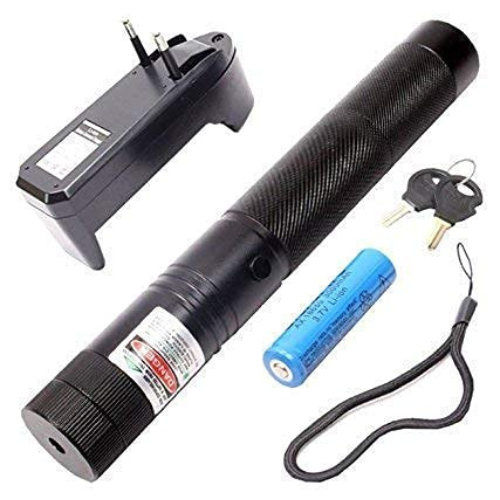
Aluminium Laser Light Powerful 1000MW Rechargeable Green Laser Battery Powered LED Pointer Pen for Kids to Play, 2000 Metres Laser Pointer High Power Pen, 5 Volts
1. Introduction
Meet the Famous Car 1:22 Scale High‑Speed RC Racing Car in Blue—a sleek, fast, and feature-rich racing toy designed to bring high-octane fun t…
