


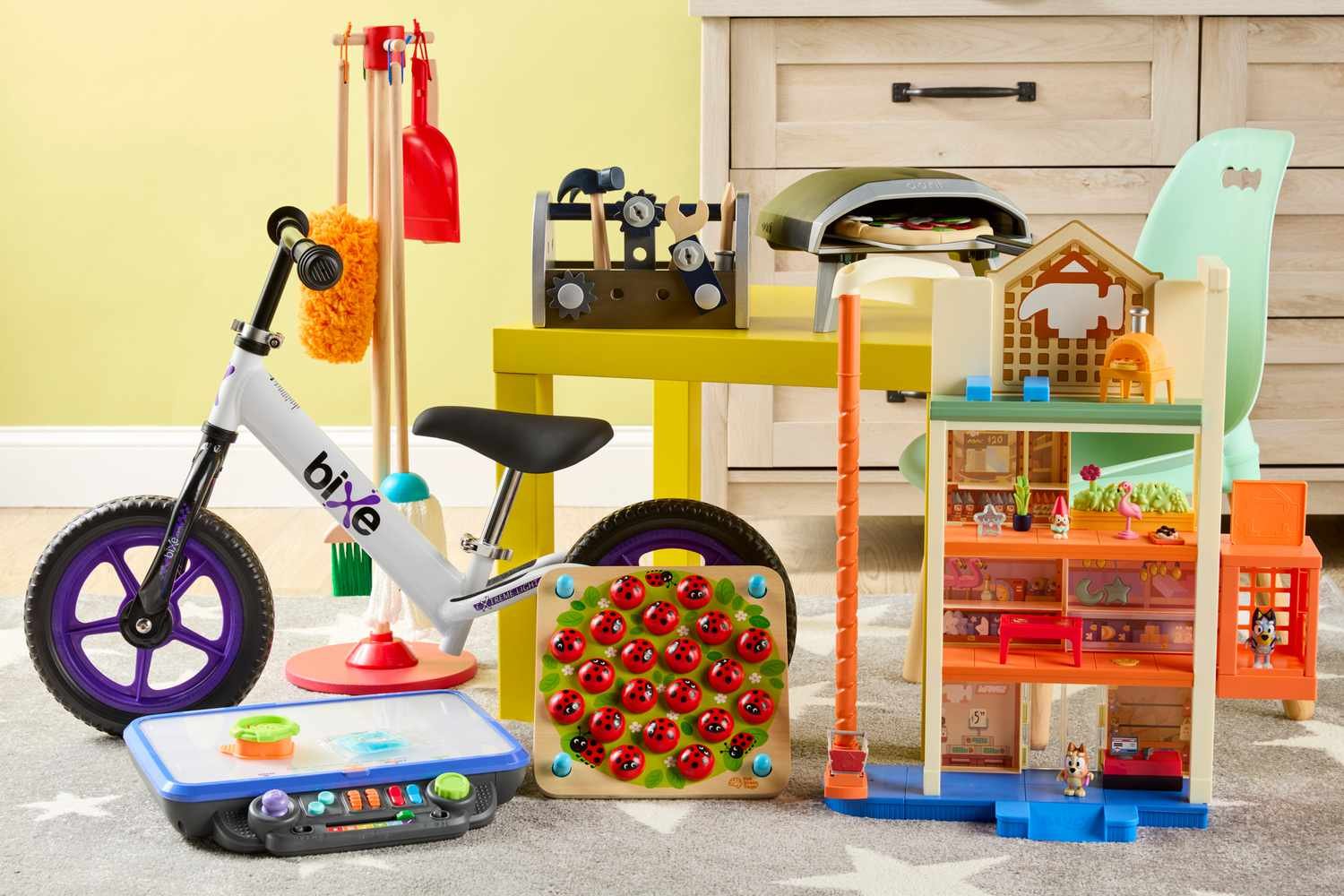
Educational Toys for Kindergarteners: Play That Feels Like Play
Kindergarten is that bustling, loud, thrilling time when kids want to know how everything fits together. They’re counting, they’re chatting, and they’re testing rules—sometimes all at once. The best educational toys for kindergarteners don’t feel like drills. They feel like invitations: try this, see what happens, and try again.
A good educational toy at this age hands a child a tiny problem and a clear way to test solutions. It rewards patience and curiosity, and it gives play that feels worthwhile—so a child keeps coming back on their own.
The Simple Things That Actually Teach
At kindergarten age, learning is mostly about doing. The toys that teach best are the ones that:
- let children touch and move things (not watch a screen),
- show cause and effect clearly,
- allow creative choices rather than a single “right” way, and
- invite playing with friends or grown-ups.
When a toy does those things, it quietly builds math sense, early literacy habits, fine motor skills, social skills, and confidence—without a worksheet in sight.
Top Toy Types That Work — Plain and Useful
Here are categories that earn their keep, with what they teach and why they stay interesting.
Building & Construction (blocks, magnetic tiles)
Why they’re good: kids plan, test balance, and practice spatial thinking. A tower that falls becomes a lesson, not a failure.
Counting & Sorting Games (counting bears, bead strings, simple board games)
Why they’re good: numbers become objects you can move and group. Games also teach rules and turn-taking.
Letter & Word Toys (magnetic letters, story card sets)
Why they’re good: they turn sounds into play—matching letters, making silly words, or building short captions for drawings.
Science & Discovery Kits (simple nature explorers, magnifiers, seed kits)
Why they’re good: they make observation a habit—look, note, compare. Kids learn to ask and then check.
Creative & Art Kits (chunky crayons, collage packs, modeling clay)
Why they’re good: drawing and making strengthen the hands that will later hold pencils—and the brain that will shape ideas.
Role-Play & Social Sets (play kitchens, doctor kits, puppet theaters)
Why they’re good: acting out roles teaches empathy, sequencing, and language. It’s rehearsal for real life.
How to Choose One That Won’t Collect Dust
A few down-to-earth tips:
- Pick something that matches the child’s interest. A kid who likes building will stick with blocks; one who likes stories will love word toys.
- Look for the “more than one way to play” factor. Toys that can be used in many ways survive boredom.
- Check the feel. If you can touch it, make sure it’s sturdy and pleasant in the hand. Kids notice texture.
- Avoid too many tiny parts for kindergarteners—pieces get lost and lose their usefulness.
- Think social value. Toys that can be shared become classroom-ready favorites.
If any of these boxes are ticked, you probably found something the child will return to—again and again.
A Few Real-World Toy Ideas (that feel honest)
- Magnetic tiles for open-ended construction.
- A counting game with physical tokens (not just a phone app).
- A simple puppet set for story practice.
- A small science kit with magnifying glass and observation notebook.
- An art kit with sturdy, washable supplies and repeatable prompts.
- A cooperative board game that teaches taking turns.
These aren’t flash-in-the-pan gadgets. They’re the sorts of things a teacher might nod at and a parent can actually use.
How Adults Help Without Taking Over
Play is better with a little company, but not heavy-handed coaching. Try this:
- Sit nearby and play your own little part—stack your own blocks or take a turn in the game.
- Ask gentle questions: “What do you think will happen if…?” or “How could we make that taller?”
- Celebrate attempts more than outcomes. “You tried something new—that’s great!” matters more than perfection.
Kids learn fast when curiosity is encouraged, not corrected.
Where to Look (and how to avoid the noise)
Shop where descriptions are honest and where you can see materials and age suggestions. A toy that says “educational” on the box isn’t always worth it; the best shops explain how the toy teaches. For a curated, practical selection that balances learning and play, check Sonpal Toys. For quick inspiration and real-play glimpses, see Our Instagram.
Last Thought — Little Wins Add Up
Kindergarten is a season of small, steady wins: the first time a child reads a short word, the first time they count correctly without help, the first time they share a toy and wait for a turn. Educational toys that keep those wins coming—gently, generously, and with lots of room for imagination—are the ones that matter most. Pick toys that invite trying, not toys that promise instant genius. That’s the humane, honest path to learning through play.
