


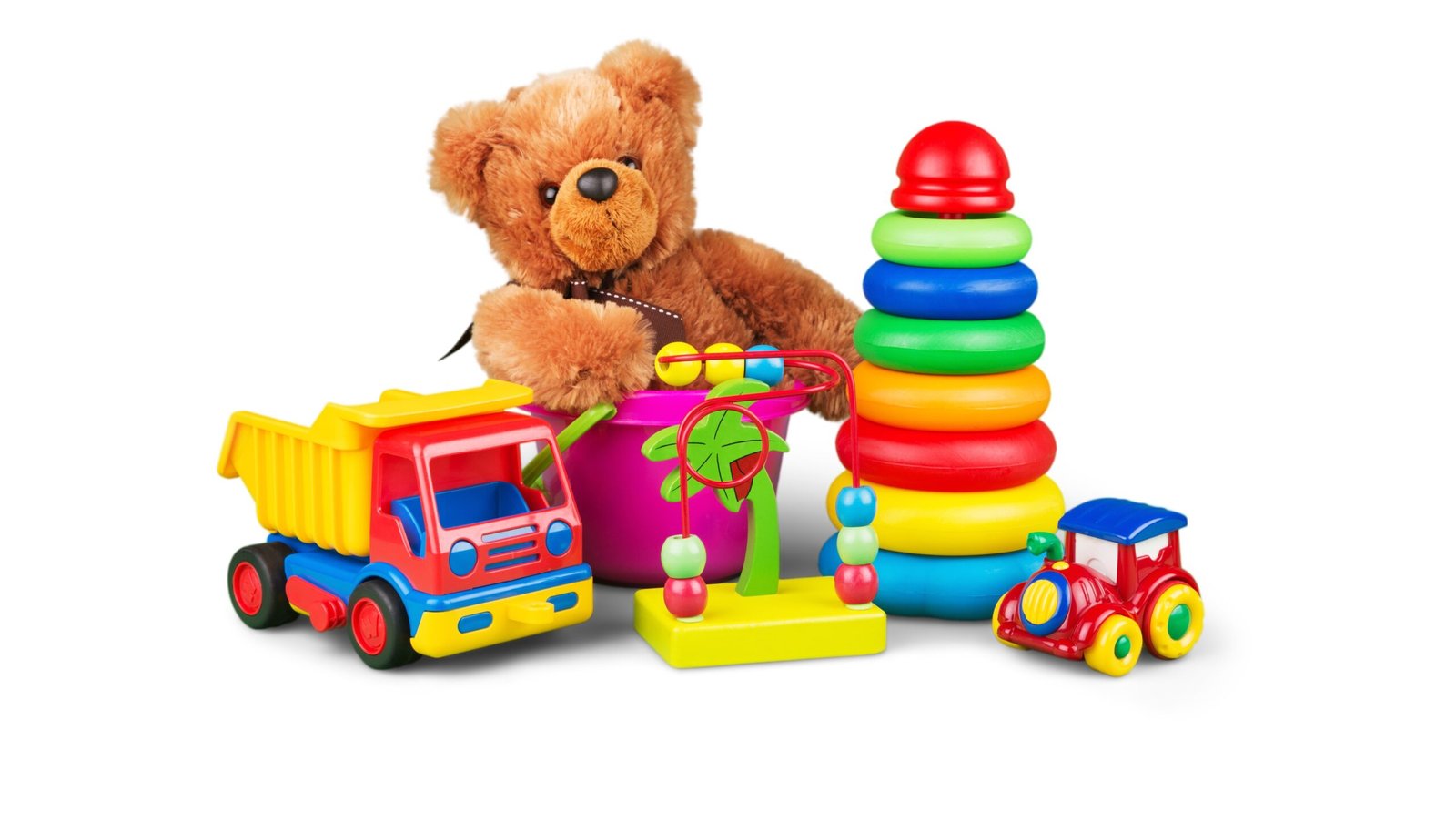
All Toys, All Ages, All Kinds of Play
Walk into any toy shop — real or digital — and you’ll see a world of color, shape, and sound. There are toys that build, toys that talk, toys that teach, and toys that simply make noise. But underneath the variety, the best toys share one quiet goal: they connect curiosity to action.
“All toys” doesn’t mean chaos or clutter. It means choice — a landscape of play possibilities for every kind of child. Some toys challenge, some comfort, and some simply make a dull day bright. When you buy toys thoughtfully, you’re not just filling a box; you’re building a world where imagination has room to grow.
Why “All Toys” Matter
Every toy, in its own way, has something to teach. A ball teaches rhythm and control. A doll teaches empathy. A puzzle teaches patience. Even a simple rattle teaches cause and effect. Together, these little lessons build a foundation for understanding and confidence.
A well-rounded toy collection doesn’t mean more toys; it means a variety of experiences — tactile, visual, auditory, and emotional. That balance lets children explore who they are and how the world works.
Toys for Every Stage
For the Toddlers (1–3 years)
This stage is all about touch, sound, and repetition. The best toys here are safe, chunky, and sensory: stacking cups, pull toys, soft blocks, and music-makers. These toys invite small experiments and reward effort with instant feedback — the magic formula for early learning.
For the Preschoolers (3–5 years)
Here, imagination bursts open. Pretend-play toys, art kits, and simple puzzles help children express stories, negotiate roles, and start thinking abstractly. These toys turn ordinary playtime into storytelling sessions full of laughter and invention.
For Early Learners (5–7 years)
At this age, children crave small challenges. Building sets, science kits, and logic games let them plan, test, and succeed. The right toy gives a clear goal — and a path to get there. That sense of mastery feeds both confidence and curiosity.
For the Big Kids (8+ years)
Older children look for complexity and identity. Model kits, craft projects, board games, and creative construction sets offer the satisfaction of completion. These toys stretch focus, patience, and the joy of solving something real.
The Common Thread: Curiosity
No matter the age, the best toys do one thing beautifully: they invite curiosity. They whisper “what happens if…” and then reward discovery. That pattern — wonder, test, result — is how real learning takes root.
When toys offer open-ended play, children become inventors. They mix and match, pretend and repurpose. A block becomes a car, a doll becomes a teacher, a cardboard box becomes a spaceship. That’s not just play — it’s creativity in motion.
The Feel of a Good Toy
You can tell when a toy is right by the way it feels in your hand. The weight, the texture, the sound it makes when it moves — those things matter. A good toy doesn’t need to flash or shout. It feels balanced. It invites you to touch, turn, or move it again.
That sensory feedback—soft clicks, smooth wood, gentle resistance—is what makes a toy satisfying. It’s why a child keeps coming back.
The Role of Design
Thoughtful toy design blends safety, simplicity, and discovery. Designers who understand children build toys that let little hands succeed without frustration. A toy that’s too easy gets boring; one that’s too hard gets abandoned. The sweet spot keeps a child thinking, but not discouraged.
Good design also means durability. When a toy survives real play, it becomes part of a child’s routine — a trusted friend, not a disposable distraction.
Play as Connection
“All toys” also means all kinds of relationships. Many of the best play moments are shared: a board game with parents, a building session with siblings, a puppet show for friends. These toys teach turn-taking, empathy, and collaboration — lessons that last longer than the toy itself.
Even solo play teaches self-regulation and focus. Every child needs both kinds of play: the shared and the solitary, the loud and the quiet.
How to Choose Wisely
Buying toys can be joyful, but also confusing. Here are a few humane, grounded ways to choose:
- Follow the child’s curiosity, not the trend.
- Touch and feel before you decide, if possible.
- Favor toys that grow with age or offer multiple uses.
- Check safety and materials. Non-toxic, smooth, sturdy surfaces are non-negotiable.
- Balance the toy box. Include movement, imagination, learning, and calm.
That’s all it takes. Thoughtful curation over accumulation.
All Toys, One Purpose
From simple wooden blocks to interactive kits, all toys share one aim — to make the world understandable through touch and action. Each toy, in its own small way, teaches cause and effect, timing, patience, and creativity.
When you think of “all toys,” think of it not as a store category but as a philosophy: a belief that every kind of play has value, and every child deserves the chance to explore freely.
Where to Begin
You can explore a wide range of durable, well-designed toys at Sonpal Toys. The collection covers all ages and play styles — from early learning to creative building and imaginative sets.
For glimpses of real play, design details, and new arrivals, visit Our Instagram. It’s full of small moments — a rolling ball, a turning gear, a child’s quiet smile — that remind us why play matters.
The Heart of It All
All toys tell stories. They become part of family routines, bedtime cleanups, weekend mornings, and holiday surprises. The best toys aren’t about keeping children busy; they’re about helping them grow, one playful moment at a time.
At the end of the day, “all toys” isn’t a category — it’s a promise. A promise that play will always have a place in growing up.
