


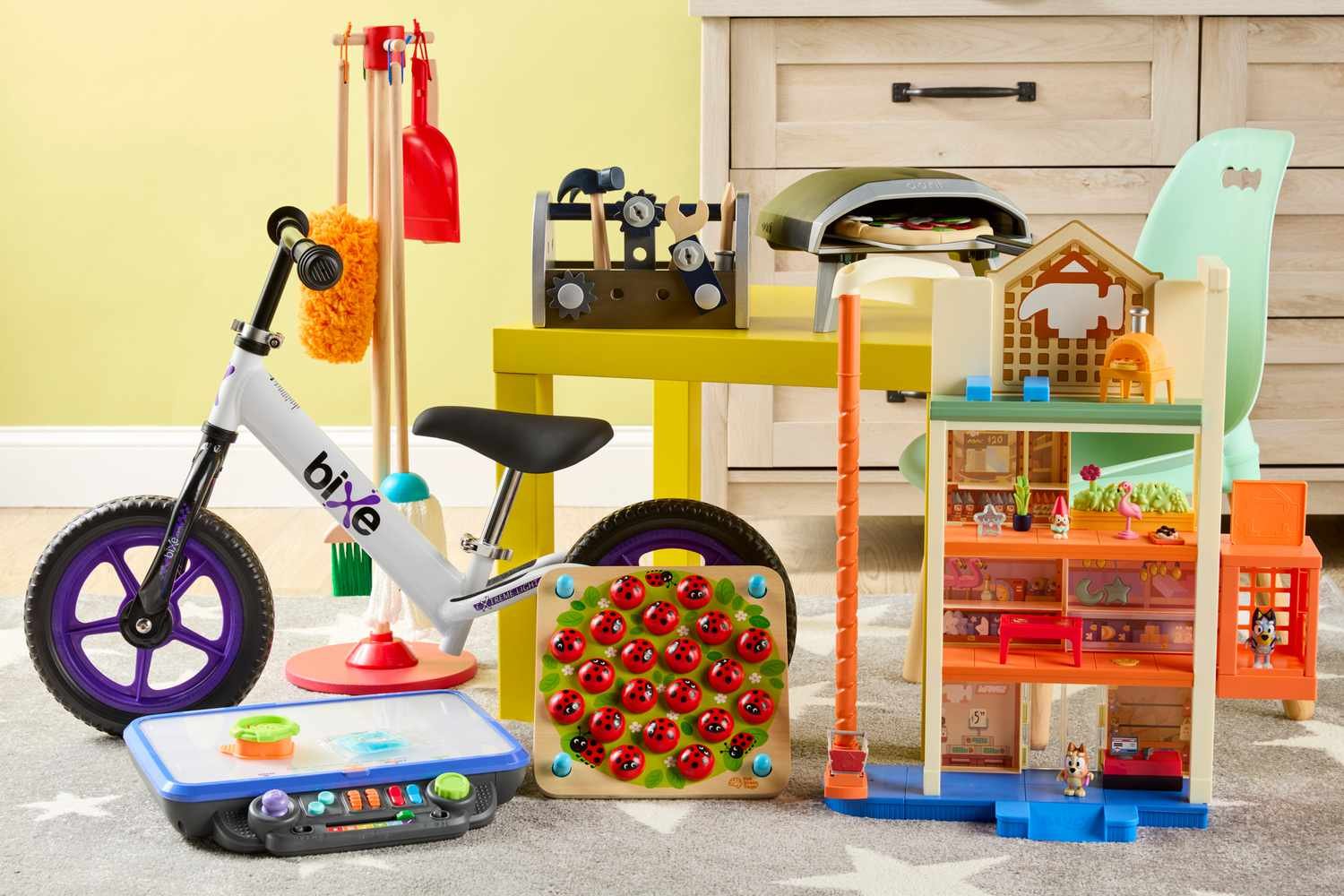
Best Educational Toys for 2‑Year‑Olds: Play That Teaches Without Saying “Learn”
Two is that delightful age where everything is both new and urgent. Toddlers are refining walking and talking, testing cause and effect, and insisting on doing things by themselves. The best educational toys for 2‑year‑olds don’t lecture — they invite. They hand a child a small challenge and a clear result: stack, fit, press, sort, or move. Those tiny, repeatable wins are where learning actually happens.
Below are categories and examples that tend to work again and again, written from a human perspective: what to look for, why it matters, and how to keep play both safe and stimulating.
Big, Chunky Building Toys — Practice with Purpose
Large wooden blocks, soft foam blocks, and chunky interlocking bricks are simple, brilliant tools at two. Toddlers love to stack and knock down towers; that falling-and-rebuilding cycle teaches balance, cause-and-effect, and persistence.
Tip: choose pieces that are easy for small hands to grasp and hard to swallow. The pleasure of a tower standing (even for a moment) is a confidence booster.
Shape Sorters and Simple Puzzles — Matching and Thinking
A shape sorter is like a tiny logic lesson wrapped in play. Toddlers test shapes, rotate pieces, and learn spatial relationships as they find which hole fits which block. Early puzzles with pegs or big knobs also build hand-eye coordination and problem-solving.
Tip: pick puzzles with bright, clear images and three-to-six pieces so the child feels success quickly.
Push, Pull, and Ride-On Toys — Movement Meets Learning
Toddlers are still getting steady on their feet. Push toys (think wooden animals on wheels), pull-along toys, and small ride-ons teach balance, coordination, and cause-effect: push, and something moves. These toys invite outdoor exploration and confident movement indoors.
Tip: look for sturdy wheels and a low center of gravity to reduce tipping.
Simple Art and Sensory Kits — Expression and Focus
At two, children love sensory experiences. Chunky crayons, washable finger paints, play dough, and sensory bins with rice or large beads let kids explore texture, color, and cause-and-effect (press, squish, scoop). These activities calm and focus, while building fine motor skills.
Tip: choose non-toxic, washable materials and supervise closely during sensory play.
Musical Toys and Rhythm Instruments — Language and Listening
Small tambourines, shakers, xylophones, and drums give toddlers a tactile way to explore sound. Music play supports language development, memory, and motor planning. Noise is good at this age — it’s discovery.
Tip: opt for instruments that produce pleasant, not ear-shredding, sounds. Join in and sing with them; your rhythm helps build theirs.
Pretend-Play Sets — Social Skills in Disguise
A tiny tea set, a toy phone, or a soft doll encourages imitation and early storytelling. Pretend play at two looks simple (“feeding” a doll) but it’s practice in empathy, language, and sequencing. These toys let toddlers rehearse daily life in safe, playful ways.
Tip: choose durable, easy-to-clean props and follow the child’s lead during role-play.
Board Books and Storytelling Aids — Early Literacy Through Ritual
Board books with textures, flaps, and simple repetition are perfect. Reading together at this age establishes routines, expands vocabulary, and models attention. Storytelling toys — puppets or felt boards — make stories interactive and tactile.
Tip: short, rhythmic books with repetition are gold. Let them turn the pages (or chew them — that’s normal!)
Simple STEM Starters — Curiosity, Not Complexity
For two-year-olds, STEM is about exploration: stacking cups, nesting bowls, cause-and-effect toys with gears or simple levers. These introduce sequencing and prediction without screens or complex instructions.
Tip: keep it simple — one feature at a time — so the child can notice the relationship between action and result.
Safety and Durability — The Non‑Negotiables
For this age, safety is everything. Choose toys with:
- Large, non-detachable parts
- Non-toxic finishes and washable surfaces
- Rounded edges and sturdy construction
Durability matters too. Toddlers test limits — if a toy breaks quickly, it’s no use. A resilient toy invites bold play, which leads to bigger learning.
Building a Small, Balanced Toy Box
If you’re putting together a starter set, aim for variety:
- One building toy (blocks or big bricks)
- One puzzle or shape sorter
- One movement toy (push/pull or ride-on)
- One sensory/art kit (play dough, washable paints)
- One musical or pretend-play set
- A few sturdy board books
This mix covers gross and fine motor skills, language, sensory exploration, and social play.
Where to Find Thoughtful Options
For carefully selected educational toys for 2‑year‑olds, explore Sonpal Toys. For quick glimpses of real play and new arrivals, follow Our Instagram — we post short demos and ideas for getting the most learning out of each toy.
Small Moments, Big Gains
The real joy of toddler play is how tiny actions add up. The child who stacks a block, fits a shape, hums along to a tune, or shares a pretend snack is learning more than any checklist can say. Educational toys for two-year-olds should be simple, robust, and inviting — tools that let curiosity lead, one small success at a time.
