Good Learning Toys: Play That Teaches Without Lectures
There’s a special kind of toy that doesn’t feel like school but quietly teaches like one. That’s what I mean when I say good learning toys—playthings that invite a child to try something, notice the result, and try again. They don’t boss the child around. They suggest, nudge, and then step back while the child explores.
Think of a block that stacks just so, a puzzle that clicks into place, a little robot that follows a line—the kind of toys that ask, “Want to figure this out?” A child leans in, experiments, and learns. That’s the core of every good learning toy: it hands over a question and gives a playful way to answer it.
What Makes a Toy Truly Educational (and Fun)
A good learning toy usually shares a few qualities:
• It’s understandable. The child sees cause and effect.
• It’s repeatable. Doing the same thing again helps build skill.
• It’s forgiving. Failure is part of the game, not the end of it.
• It’s tactile. Small hands get feedback—clicks, weights, textures.
• It invites imagination, not just imitation.
When a toy hits those marks, learning sneaks in. Fine motor skills improve as a child threads beads or turns knobs. Logical thinking grows when they solve a puzzle. Social skills develop as they share or play cooperatively. The toy does the teaching, but it disguises the lesson as fun.
Hands-On Building and Construction
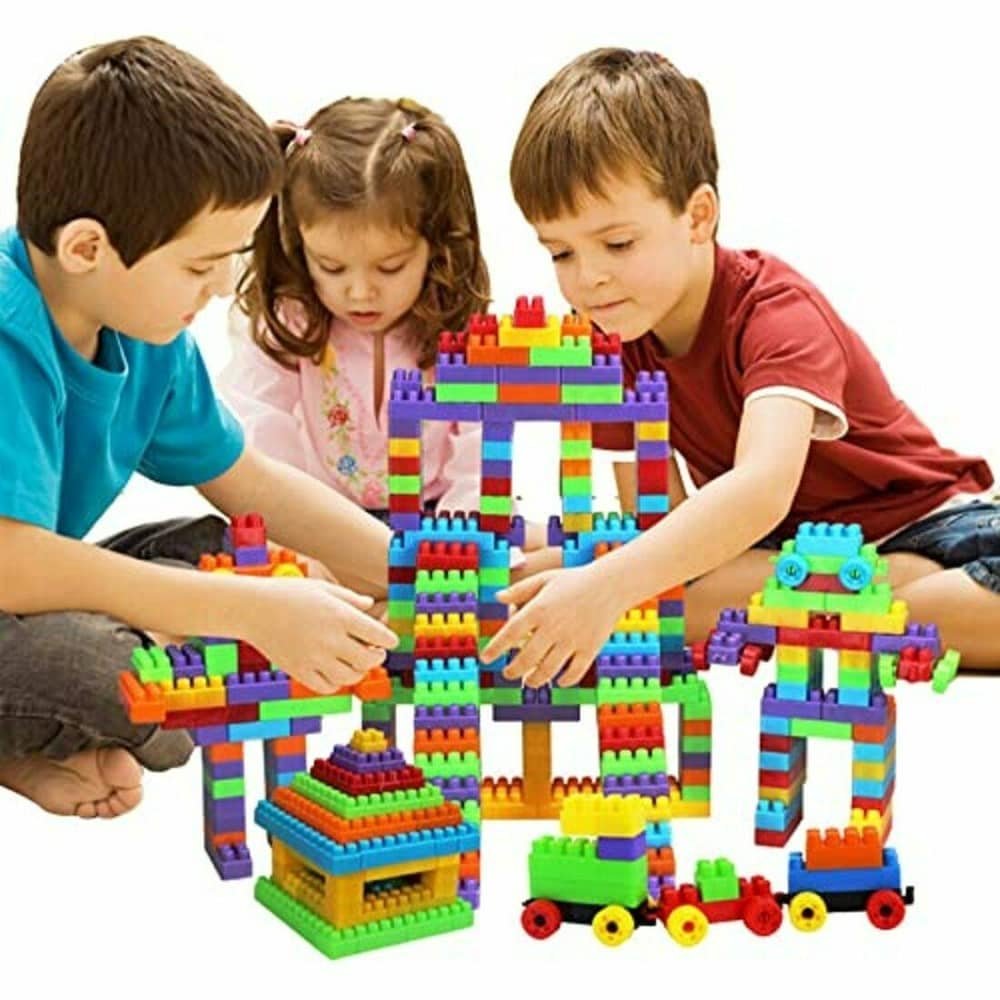
One of the clearest winners in the category is any set that lets a child build and rebuild. Blocks, magnetic tiles, chunky construction kits—these are classic good learning toys because they scale with skill. A three-year-old makes a simple tower; a five-year-old experiments with spans and balance; an older child designs a bridge.
Building toys teach spatial reasoning and planning. They’re also wonderfully forgiving—towers fall, and that’s just another lesson. Keep the pieces big enough for little hands and watch confidence grow with every rebuild.
Puzzles That Reward Attention
Puzzles are deceptively powerful. A simple shape-sorter is a lesson in matching; a jigsaw teaches patience and whole-part relationships. The best puzzles for early learners are colorful, tactile, and just the right challenge so a child can mostly do them with a little help.
Puzzles are also quiet practice in persistence. Each completed puzzle is a small victory that says, “You can finish this,” and that belief matters.
Maker and STEM Kits (But Friendly Ones)
Not every child needs a lab, but many kids love making things. Starter robotics, simple circuitry kits, and maker boxes that include safe tools and clear prompts are excellent good learning toys. The trick is to pick kits that celebrate tinkering rather than perfect results.
A tiny motor that makes a car go, a set that lights up when circuits are correct—these projects show how ideas turn into outcomes. They teach problem-solving in a hands-on way and make abstract concepts feel concrete.
Role-Play and Storytelling Sets
Language and empathy grow through pretend. Dress-up, puppet toys, and storytelling decks are understated good learning toys because they let children practice conversation, sequencing, and role-taking. When a child explains what their puppet is doing, they’re practicing narrative skills that will later help reading and social communication.
These toys are also easy to scale—one child plays alone, two trade lines in a game, and a group builds a small play with roles and props.
Sensory and Fine-Motor Tools
Don’t underestimate the quiet power of sensory toys. Play dough, bead-stringing, lacing boards, and tactile boards strengthen fingers and focus. For kindergarteners and preschoolers, these good learning toys help handwriting-ready muscles develop and teach sustained attention through satisfying, hands-on tasks.
They’re calming too—perfect for moments when a child needs to regulate their energy.
Movement-Based Learning
Good learning toys aren’t always small or quiet. Balance boards, jump ropes, and coordination games teach timing, motor planning, and confidence. Active play is learning too—children practice rules, take turns, and measure progress against their own ability. Pick toys that scale in difficulty so a child can see improvement.
Choosing with Care: Durability, Safety, and Joy
When you choose good learning toys, favor durable materials, non-toxic finishes, and designs that don’t break at the first enthusiastic toss. Look for toys with clear, sensible instructions—or better yet, ones that don’t need many. The most meaningful toys are those that invite repeated return.
Also, trust the child. The best learning happens when a toy gives them room to try, fail, and improve.
Where to Find Thoughtful Picks
If you want a starting point, begin with a mix: one building set, one hands-on maker kit, a puzzle, and a sensory tool. You’ll cover logic, fine motors, creativity, and calm focus.
Explore a curated selection of good learning toys at Sonpal Toys. For snapshots of play and new picks, visit Our Instagram—we share quick demos and ideas for getting the most from each toy.
Little Moments, Big Returns
The quiet truth about good learning toys is this: they don’t need to be complicated to be powerful. A simple mechanism or satisfying fit can teach a child how to think and how to try again. Over time, those small lessons build persistence, curiosity, and joy. That’s the kind of learning worth buying—play that teaches without ever feeling like a lesson.
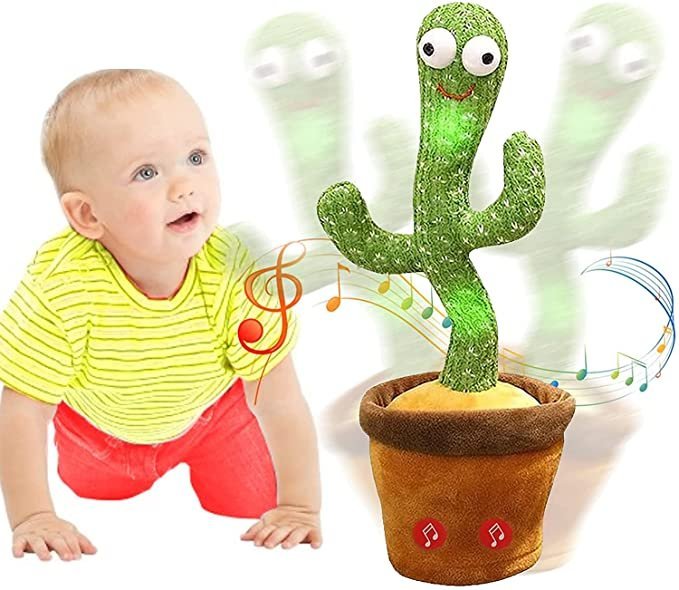
Electronic Dancing Cactus Toy with Lighting,Singing Cactus Recording and Repeat Your Words
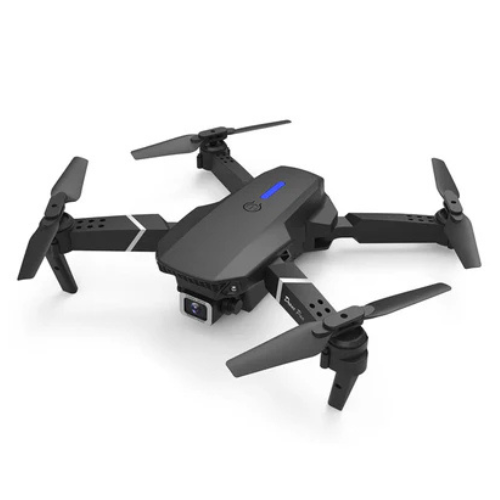
Take Flight with Style – Sonpal Toys E88 Foldable Drone with 4K Dual Camera, FPV Wi-Fi & 360° Flip Action
🚁 Sonpal Toys E88 Foldable Drone – 4K Aerial Photography Meets Fun & Adventure
At Sonpal Toys, we don’t just create toys—we design experiences. And the E88 Foldable Drone</stro…