Top Toys for Kindergarteners: Play that Teaches Without Saying So
Kindergarten is the age where a child’s “I wonder” becomes a little louder. They’re learning language, trying new rules, testing hands and feet, and practicing being part of a group. The best toys for kindergarteners meet all that: they’re tactile, forgiving, social, and just complex enough to keep a child coming back.
These are toys that don’t do the thinking for the child. Instead, they invite small experiments: stack, sort, build, swap turns, try again. Over and over, those tiny experiments add up into real skills—fine motor control, social turns, pattern recognition, and the quiet confidence that comes from figuring something out.
Open-Ended Building Sets
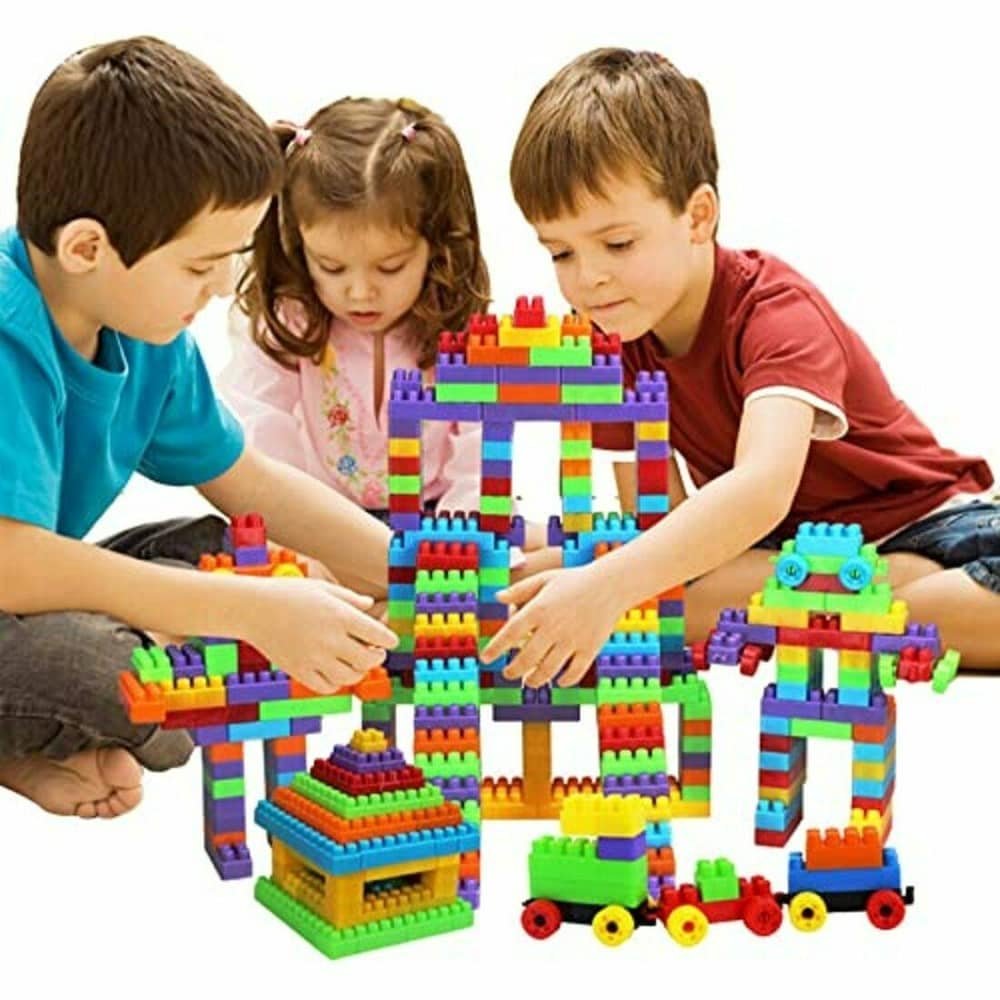
A handful of simple blocks, magnetic tiles, or chunky construction kits can entertain for hours. The appeal is obvious: a block can be a house, a bridge, or a fort for a stuffed animal. These toys are forgiving—pieces can be knocked down and rebuilt—so children learn cause and effect and develop spatial thinking without pressure.
Look for pieces that are sized for small hands, with smooth edges and a satisfying click or fit. The best sets grow with the child, from simple towers to imaginative cityscapes.
Puzzles and Matching Games
Puzzles at this age should fit little attention spans: big pieces, bright images, and just enough challenge to require a pause. Matching games—shapes to slots, animals to habitats, or color pairs—teach problem solving and vocabulary. They also make great two-player games that teach turn-taking and cooperation.
A puzzle completed together is also quietly social. Sit nearby, offer a hint, and you’ve turned a solo task into a small conversation.
Hands-On Craft and Fine Motor Kits
Kindergarten hands are learning to be precise. Simple bead-stringing, sticker collages, lacing boards, and safe-cutting craft kits are perfect. These activities strengthen dexterity and give children predictable results—an assembled necklace, a picture to hang—moments that feel proudly achieved.
Choose kits with clear steps and sturdy pieces; children love repeatable craft activities that let them practice and then show off the results.
Role-Play and Dress-Up
At this age, dress-up and role-play are powerful. Children try on roles—chef, doctor, builder—and practice language, problem-solving, and empathy. A simple costume piece, a toy toolkit, or a play kitchen invites storytelling and social games.
Role-play toys encourage conversation: “What’s for dinner?” or “How do we fix this?” Those questions are practice for real-world thinking.
Movement and Balance Toys
Kindergartners still need to move. Small balance beams, stepping stones, soft balls, and beginner scooters let them test coordination and build confidence in their bodies. These toys are great for short bursts of energy and for helping develop timing and balance.
Indoor-friendly active toys are especially useful in apartments or rainy seasons—compact, safe, and endlessly repeatable.
Storytelling and Early Literacy Toys
Books remain the best toy for early literacy, but storytelling toys—puppet sets, felt boards, or simple story-making card decks—turn language into play. They invite children to sequence events, name characters, and practice new words. When a child tells a story with pieces in front of them, they’re practicing narrative skills that help in reading and social play.
Look for toys that prompt questions rather than giving all the answers—those prompts create conversation and imagination.
Sensory and Calm-Down Tools
Kindergartners are learning to regulate big feelings. Sensory toys—soft fidgets, squishy textures, sensory bins with rice or beads—offer a calming channel when emotions spike. They’re not a replacement for comfort, but they give a child a focused, tactile task that helps settle attention.
Choose options that are safe and easy to clean; sensory play is often wonderfully messy.
Social Games and Simple Rules
Board games designed for young children—matching, roll-and-move, or simple cooperative games—teach rules, turn-taking, and fair play. These games are often short, quirky, and rewarding: they end quickly enough to keep interest, but they teach the idea of rules and shared outcomes.
Playing even just a few rounds together helps children practice patience and social cues.
Durability and Safety First
For this age, durability isn’t optional. Toys should handle drops, squeezes, and enthusiastic play. Non-toxic finishes, rounded edges, and parts that don’t detach easily keep play safe. When toys survive, children play bolder, and parents relax. That trust matters.
Where to Find Thoughtful Picks
If you’re shopping, aim for a mix—something to build, something to move, something to tell stories with, and something small to fidget with. You can find a curated collection of durable, joyful toys for kindergarteners at Sonpal Toys. For snapshots of play in action and new arrivals, visit Our Instagram.
The Small Things That Matter
Kindergarten is a season of practice. The toys that matter most are the ones that return a child’s effort with small, dependable rewards—a tower that stands, a puzzle that fits, a story that makes sense. Those tiny returns build habits: curiosity, persistence, and the pleasure of doing something with one’s own hands.
Pick toys that invite questions, not answers. Let the child lead. Watch a small moment of play, and you’ll see how much learning is happening in what looks like simple fun.
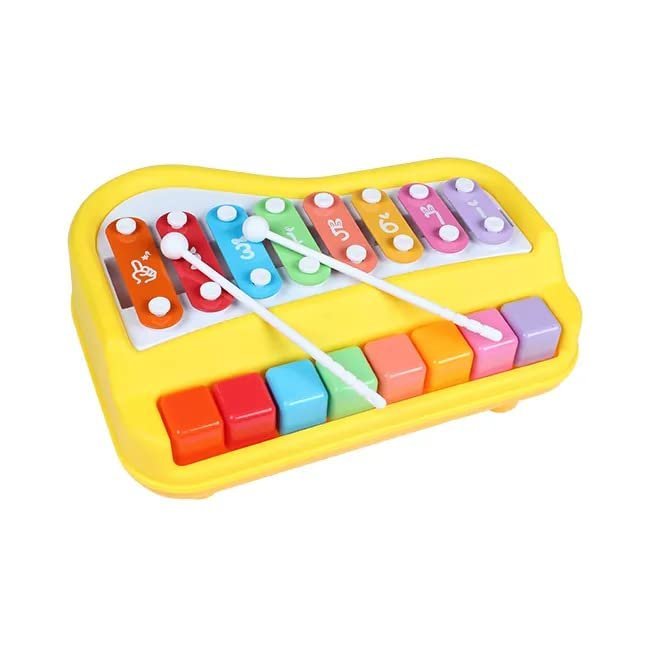
2 in 1 Musical Xylophone and Mini Piano for Kids – Educational Musical Instruments Toy Set for Babies, Non-Battery- Assorted Color (Big)
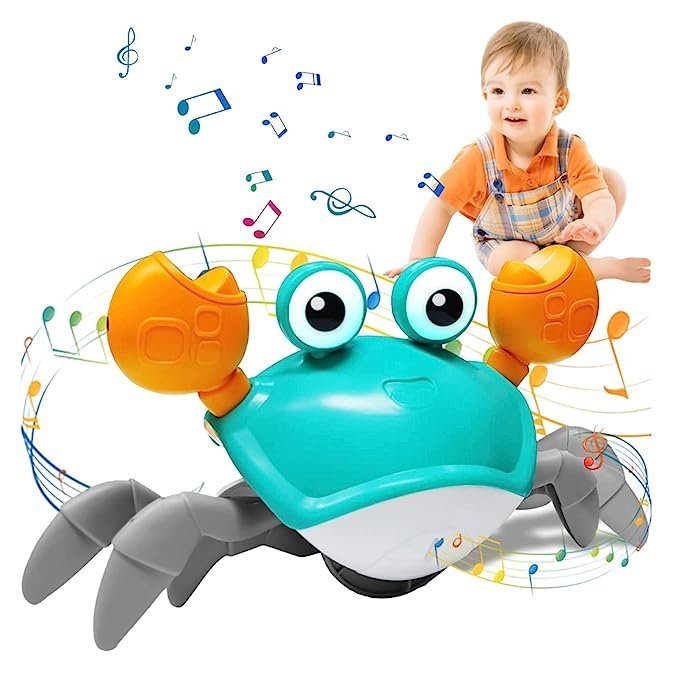
Crawling Crab Infant Tummy Time Toys for Kids | Kids Electronic Musical Light up Toy with Automatically Avoid Obstacles Build in Rechargeable Battery