


New Trending Toys: Things Kids Keep Coming Back To
Toys come and go, but some arrive and quietly change how kids play. The new trending toys this year are not just gadgets — they’re invitations. They ask children to build, imagine, move, and share. They’re tactile and thoughtful, a little clever and a bit nostalgic. They reward curiosity in ways that feel gentle, not demanding.
If you’ve been watching closely, you’ll notice patterns: kids love things they can shape, tweak, and own. They love toys that respond just enough to be interesting. The trending toys right now combine craft, movement, and small, satisfying mechanics. They’re not trying to be everything at once. Instead, they do a few things really well, and that’s why children — and parents — keep coming back.
Plush with Personality — Soft but Smart
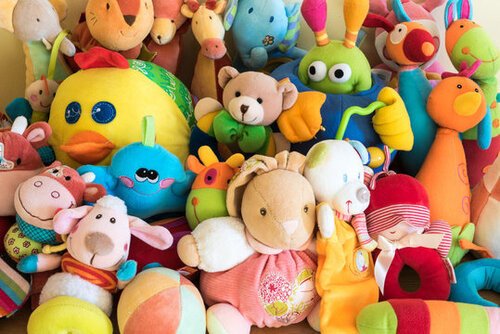
Plush toys have evolved. They’re not just soft companions anymore; trending plush is smarter in small ways. Think of plush that reacts to touch, that breathes a little when hugged, or that comes with a small storybook and a tiny surprise inside. These toys feel like friends who know just when to be quiet or when to nudge a child into play.
What’s lovely about these newer plush toys is how they combine comfort with a hint of interaction. They don’t overwhelm; they invite bedtime stories, whispered secrets, and quiet imaginative play. Kids form attachments to them more easily because the toys are gentle partners rather than noisy distractions.
Build-to-Squish and Tactile Kits — A New Sensory Wave
There’s been a subtle, satisfying crossover lately: building sets that are also tactile. The BLDR-syle sets and squishy-build toys blend construction and sensory play. Children construct characters or scenes, then press and squish the pieces for a wholly different kind of satisfaction. It’s hands-on in two ways — the problem-solving of building and the calming of tactile play.
These are perfect for kids who like structure and for those who prefer sensory comfort. They invite slow experimentation and can be calming after a day full of activity.
Creative Maker Kits — Small-Scale, Big Ideas
The maker movement keeps getting friendlier for kids. Today’s trending maker kits give nine-year-olds and older kids the tools to design, not just follow instructions. Fabric, foam, simple circuits, and modular parts let them prototype ideas quickly. Some kits even tease basic coding or sensors in a toy-friendly way.
The best kits are those that don’t insist on a single outcome. They offer materials, a prompt, and a nudge: “Try it this way, or try something different.” That flexibility turns a single kit into many projects and keeps interest alive longer.
Puppetronics and Interactive Figures — Storytelling Upgraded
Interactive figures have leveled up. The trending line of puppetronics and reactive characters respond to voice, touch, or motion in small, story-friendly ways. They don’t dominate play with constant chatter; they listen, react, and then let the child take the lead.
This kind of toy encourages storytelling. Kids bring their own narrative and the toy becomes a character that listens and contributes. That makes play feel more collaborative and imaginative than passive.
Movement-First Toys — Play That Gets Kids Moving
Outdoor and movement-focused toys have reclaimed space on the trending lists. New versions of classic toys — kick-around skill games, lightweight balance boards, compact obstacle sets — are showing up because families want kids to move more and screens less. These toys are designed to be taken outside, shared with friends, and scaled up or down depending on the child’s skill.
A great movement toy invites repeat play. It feels fair to beginners and also scales to offer a challenge as kids improve. That progression is part of what makes them so addicting — in a healthy way.
Sensory, Fidget, and Calm-Down Tools — Intentional Design
The trend toward sensory-friendly toys continues, but it’s matured. It’s no longer enough to make something squishy; the new wave offers varied textures, weight, and resistances that encourage mindful play. These toys are useful both in moments of intense focus and when a child needs to calm down.
They’re small, practical, and often beautifully designed. Parents appreciate toys that look good on a shelf and genuinely help kids regulate their attention and emotions.
Retro Reboots — Familiar Shapes, New Twists
Nostalgia sells, but the coolest reboots are those that add a thoughtful twist. Classic lines come back with better materials, smoother mechanisms, and smarter safety features. Kids get the comfort of vintage play while enjoying updated reliability and longevity.
These toys make great gifts because they bridge generations — parents remember playing with similar toys and can safely pass that joy to their children.
Eco-Friendly and Durable — Play that Lasts
A clear trend is toward toys that are built to last: natural materials, refillable parts, and repairable mechanisms. Families are choosing toys with better environmental footprints and longer lifespans. Durability isn’t just about surviving play — it’s about being worth returning to. Kids value toys that keep offering new things to try as their skills grow.
Where to Look and What to Try
If you want to see these trends firsthand, start with a few categories rather than one flashy item. Try:
- A plush companion with a quiet interactive feature for bedtime.
- A combined build-and-sensory kit for tactile creativity.
- A maker kit that encourages design thinking, not just assembly.
- A movement-based set that can be played solo or with friends.
- A retro reboot that has been remade with better materials.
You’ll find thoughtfully selected examples and fresh arrivals at Sonpal Toys. For snapshots of trending items, quick demos, and behind-the-scenes looks, visit Our Instagram — we post moments of play and ideas for how to get the most from each toy.
Why These Trends Matter
Trending toys tell us something about how kids play now. They show a move away from one-note stimulation and toward multi-layered experiences: tactile, social, creative, and active. The toys that stick are the ones that let kids lead, let them fail and try again, and quietly reward curiosity. That’s the kind of play that builds skill and joy — and that’s the kind of play we want to encourage.
