Toys for 1-Year-Olds — The First Steps of Wonder
The first year of life is a quiet unfolding.
A child begins as a listener, then becomes a watcher, and slowly turns into a participant.
Hands open, close, reach, and grasp. Eyes track color and motion. Ears discover rhythm. Every new sound or texture is a small discovery.
Toys for 1-year-olds are not just objects of amusement; they are gentle introductions to the world’s shapes, patterns, and meanings. They turn curiosity into comfort and exploration into understanding. The right toy doesn’t overwhelm — it invites, supports, and waits patiently for a response.
At Sonpal Toys, each piece made for this tender age honors that slow rhythm of learning.
The Language of Texture
Before speech, there is touch.
Soft fabrics, smooth wood, safe silicone, and gentle rattles — texture teaches where words cannot. The contrast between smooth and rough, warm and cool, soft and firm builds the foundation of sensory recognition.
Toys designed for one-year-olds are often simple for that reason. A plush ball that can be squeezed, a rattle that shifts softly with movement, or stacking cups that tumble with a dull sound — all become lessons in cause and effect.
These experiences speak a quiet language: When I move, something happens.
That realization is the beginning of learning.
Color, Light, and Motion
At this age, sight sharpens rapidly. Bright primary colors attract attention, but balance is important. Too much stimulation can confuse, while carefully chosen contrasts encourage focus and calm.
Toys that roll slowly, spin gently, or light up with a soft glow mirror the pace of natural observation. They echo the movement of sunlight across a floor or the rhythm of a curtain swaying in a breeze.
When a baby watches a car roll forward or a block topple down, the mind builds an invisible map: how motion starts, how it ends, and what it means to act upon the world.
Sound as Discovery
The first year is also a year of listening.
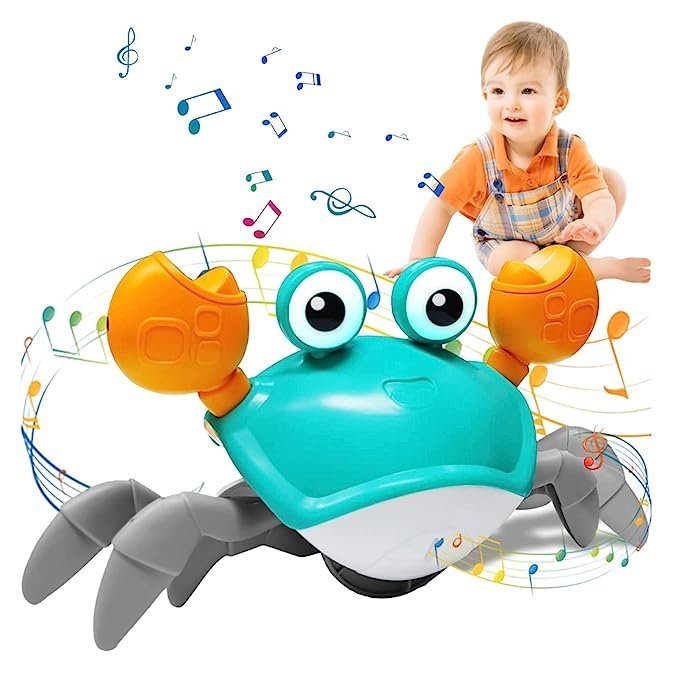
Sound introduces pattern — a rattle, a soft chime, a toy drum that hums rather than clangs.
At this stage, rhythm matters more than melody. Gentle repetition encourages awareness of cause and response. When a toy responds to a touch with a soft tone, it tells the child that interaction creates change. That concept underlies almost every future skill, from communication to reasoning.
Well-crafted sound toys are careful with their volume and clarity. They invite participation without demanding it, leaving space for silence to hold equal value.
Movement and Balance
Around the first year, motion becomes a teacher.
Crawling turns into steps, and coordination begins to connect body and brain. Push toys, pull-along figures, and rolling animals all support this stage.
Each push forward strengthens muscles and confidence. Each small stumble teaches balance.
Good design ensures stability — wide bases, smooth edges, and handles that fit tiny hands. These toys are companions in early mobility, not obstacles.
Play at this stage is physical thinking. A one-year-old learns through movement what others learn through words.
Simplicity and Safety
Toys for one-year-olds are built with intention. They must be safe enough to explore freely and simple enough to leave space for imagination.
Smooth edges, non-toxic materials, and sturdy construction are essential. Every curve and surface carries silent responsibility. A good toy at this stage doesn’t multitask; it does one thing beautifully — and does it reliably.
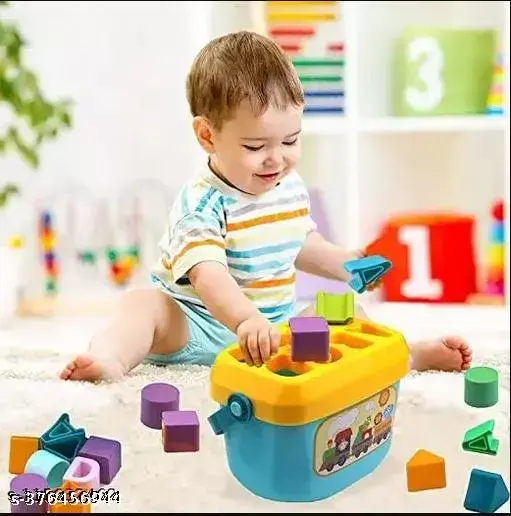
That simplicity lets attention settle. It transforms repetition into comfort. A favorite stacking ring or rolling drum becomes a small ritual of focus and joy.
Design That Grows with the Child
The best toys don’t expire at one year old — they evolve.
A simple set of blocks first becomes something to stack and knock over. A few months later, those same blocks become walls, towers, and trains in a toddler’s imagination.
This continuity creates familiarity. It teaches that objects can transform with time and creativity.
A toy that grows alongside its user becomes a quiet measure of progress, marking how skill and imagination expand together.
Collections like the ones at Sonpal Toys follow that philosophy: toys that meet the child where they are, then travel with them as they change.
The Rhythm of Togetherness
Play at this age often begins with imitation.
When a caregiver claps, the child claps. When a rattle shakes, eyes widen in anticipation. Interactive play doesn’t require technology — it begins with shared rhythm and mutual attention.
Toys that encourage this kind of shared discovery are the ones that matter most. They help form early bonds between emotion and action. A toy becomes not just a thing but a bridge — between hands, between eyes, between hearts.
These small connections often find their way into the everyday scenes shared on our Instagram, where simple toys accompany quiet smiles and first steps — moments that tell stories without words.
The Beginning of Imagination
At one year old, imagination flickers like a candle.
It’s in the way a block becomes a drum, a spoon becomes a wand, or a plush toy becomes a friend. The right toy doesn’t dictate that transformation — it allows it.
That’s the quiet art behind well-made playthings.
Each object holds space for creativity, guided by design that is thoughtful, tactile, and timeless.
These are not distractions; they are foundations — the first tools of wonder.
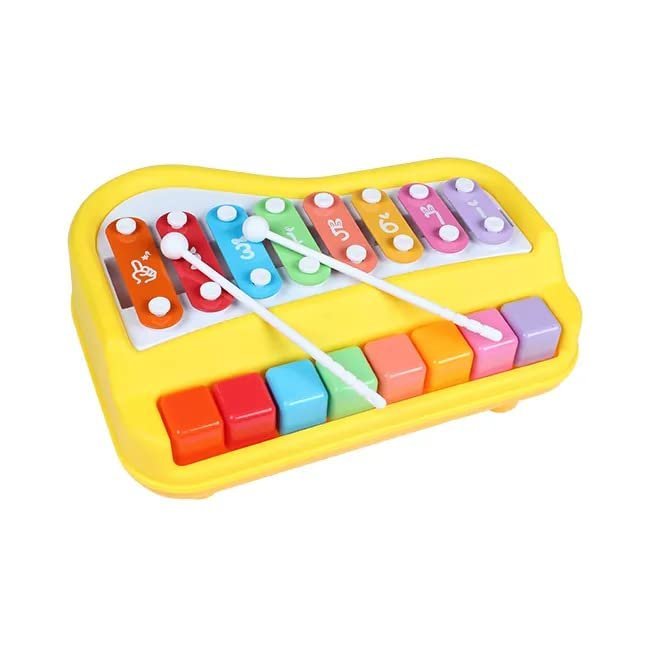
2 in 1 Musical Xylophone and Mini Piano for Kids – Educational Musical Instruments Toy Set for Babies, Non-Battery- Assorted Color (Big)