


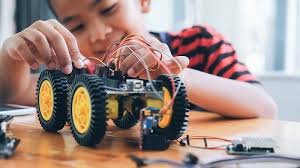
The Quiet Magic of Children’s Interactive Toys
A small room becomes an orchestra of curiosity: a soft chime when a button is pressed, a gentle blink of light when a block is set right, a tiny motor that wiggles a puppet into motion. Those little responses turn solitary play into a kind of conversation. Interactive toys do more than move or speak; they listen back, they prompt, and they invite continued attention.
Interactive toys have matured beyond novelty. The best of them feel like companions—responsive enough to encourage curiosity, restrained enough not to overwhelm. They turn cause and effect into a lesson: press, listen, respond; try again, learn more. That sequence is where understanding grows.
A Delicate Back-and-Forth
Play that involves response creates a rhythm. The child reaches out, the toy answers, and a loop forms. This loop matters because it mirrors how the world teaches: action followed by consequence, exploration followed by feedback. The simplest interactive features—light, sound, movement—become the grammar of that lesson.
Well-designed interactive toys favor subtlety. A melody plays for a count, not an hour. A motion hints at possibility, rather than doing everything at once. That restraint gives space for interpretation. The toy suggests; the child decides. The result is often a longer, deeper engagement than flashy, relentless gadgets manage.
Sensation and Speech
Interaction happens through multiple senses. Sound teaches timing and language; lights highlight success; touch provides immediate feedback. A toy that repeats a child’s word, softly and clearly, offers early practice in speech. A playset that responds to a correct placement with a brief flourish rewards solving without turning it into spectacle.
Materials still matter. A fabric that invites hugging, a plastic that feels right in small hands, a wheel that turns with a satisfying resistance—these tactile choices influence whether a toy will be returned to again and again. Interaction is not only digital; it must feel physically good to matter.
Confidence in Small Wins
Confidence grows in tiny increments. An interactive puzzle that lights a star when pieces fit, a counting toy that counts aloud after each block is placed—these small successes compound. The child learns to test and predict, to try and retry. Each positive response from a toy is a safe nudge toward curiosity.
That confidence is practical: it encourages persistence. A problem that can be solved with incremental interaction becomes approachable. The toy shows that trial leads to result, which is how exploratory learning often begins.
Technology with Tenderness
Modern children’s toys use sensors and simple programming, but the best designs hide complexity under surfaces that invite play. Microphones, motion detectors, small motors—these are tools, not ends. The thoughtful use of technology amplifies play rather than replacing imagination.
When technology is applied with tenderness, an interactive toy becomes a bridge: it connects the concrete and the abstract, the physical action and the idea that follows. It lets a child discover principles—cause and effect, rhythm, sequencing—through doing, not through instruction.
Safety and Simplicity
Responsibility is part of the design brief. Secure battery compartments, low-volume sound levels, easy-to-clean surfaces, and robust joins are quiet but essential decisions. Interactivity is best when it supports uninterrupted play; fragile or unsafe features break that possibility.
Simplicity also protects attention. Toys that demand long maintenance or constant charging risk becoming chores. The ideal interactive toy requires minimal upkeep and maximum invitation, so play remains immediate and gratifying.
Togetherness and Shared Moments
Interactive toys often spark shared attention. A device that lights up at a correct answer becomes a cue for celebration—a laugh, a clap, a high-five. Those micro-moments of shared joy weave play into the fabric of a household.
Even small performances—waving a puppet that sings a short verse—invite imitation and collaboration. Sibling play gains choreography; adults can join the exchange rather than only supervise it. Interaction encourages not only individual learning but social connection.
Longevity through Open-Ended Design
Toys that respond predictably and offer layered challenge tend to last. Open-ended interactivity—features that invite new kinds of play as skills develop—keeps a toy relevant. A sound that initially prompts giggles can later support language games; a motion device that once amused can become part of complex storytelling.
This kind of longevity is design that respects growth. It recognizes that play evolves and that a well-made toy should adapt to that evolution rather than be discarded when novelty fades.
The Subtle Art of Balance
The most successful interactive toys strike a balance between prompting and leaving space. They are curious without being noisy, instructive without being didactic. They reward without taking over. They are, in short, companions that encourage discovery.
Curated collections that focus on these qualities favor tactile materials, gentle electronics, and clear intentions. Those collections offer pathways through which children learn to ask questions, test outcomes, and invent new uses for simple responses.
For an example of thoughtfully designed, interactive playthings that prioritize learning and gentle engagement, see Sonpal Toys’ collection at Sonpal Toys. Daily moments of play and ideas often appear in snapshots on our Instagram.
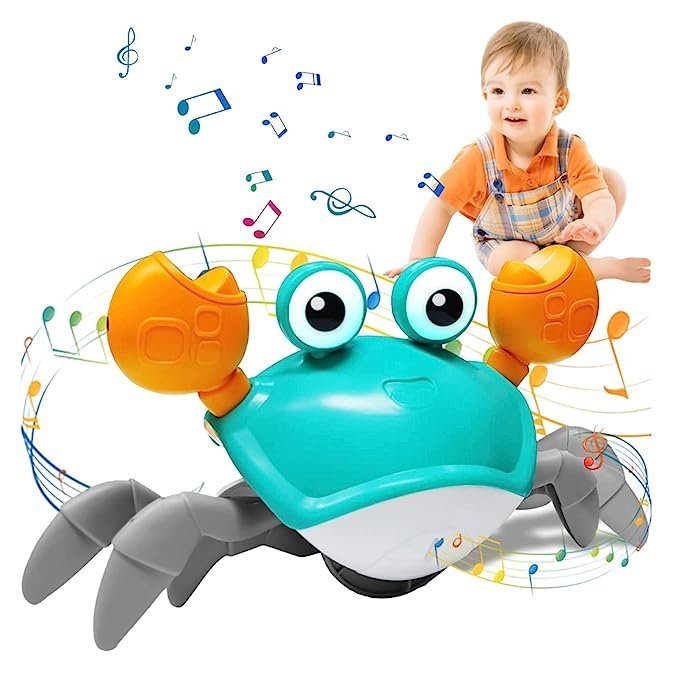
Crawling Crab Infant Tummy Time Toys for Kids | Kids Electronic Musical Light up Toy with Automatically Avoid Obstacles Build in Rechargeable Battery
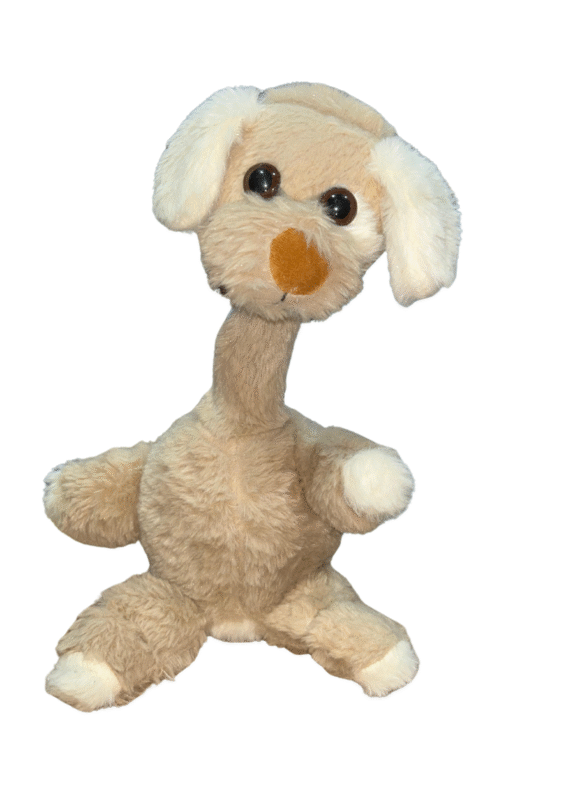
Sonpal Toys Duldu Toy Rechargeable Toys Talking Toys for Kids Dancing Toys Can Sing Wriggle & Singing Recording Repeat What You Say Funny Education Toys for Children Playing Home Decor for Kids
🎤 Sonpal Toys Duldu Toy – Rechargeable Talking, Dancing, Wriggling Toy That Repeats What You Say | Singing & Educational Toy for Kids | Funny Home Decor for Children | toy.rubelastore.com
<p data-st…
