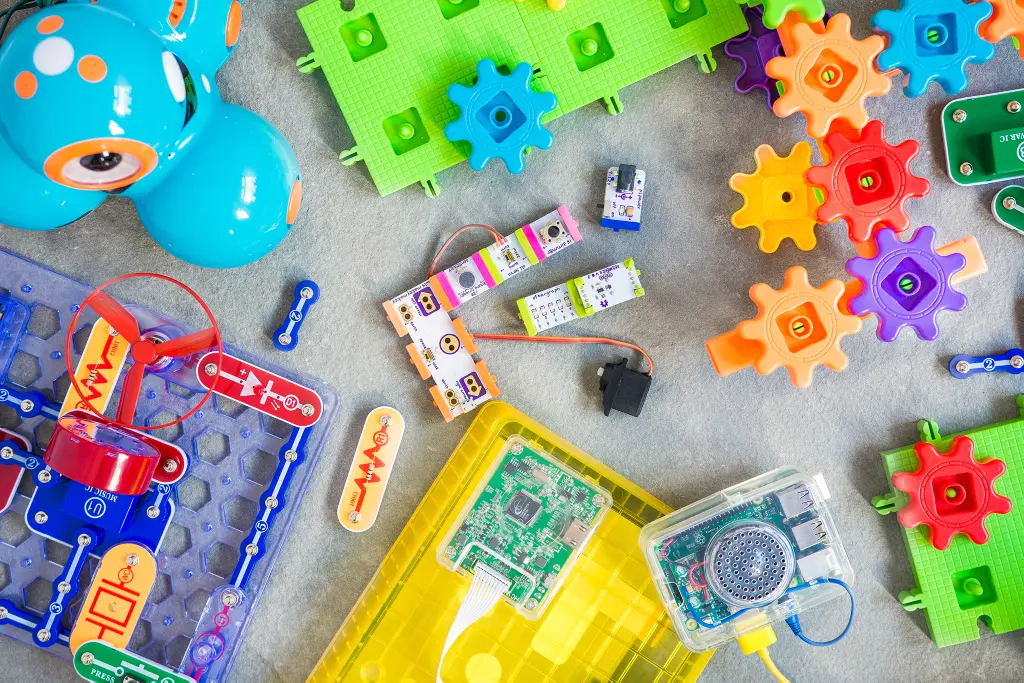
Educational Toy Manufacturers in India — Where Small Hands Meet Big Ideas
There is a gentle kind of wonder in a room of play. Tiny hands press shapes into place, a tower leans and then is rebuilt, a string of beads becomes a pattern only the maker understands. Those small moments are quietly important — the kinds of everyday discoveries that sit at the beginning of learning.
Behind each of those moments, there are people thinking about shape, color, texture and safety. Educational toy manufacturers design objects that invite exploration rather than demand it. In India, that design work often draws on a mix of craft heritage and contemporary thinking: durable materials, considered proportions, and playful possibilities. Sonpal Toys is one example of a maker focused on that careful balance.
The Quiet Work of Design
A good educational toy doesn’t shout instructions. It leaves space. It offers pieces that fit together in many ways or puzzles that reward patience. The design choices are small and deliberate: how a piece sits in a small palm, how a color contrasts with another, how a joint holds up after repeated use. Those details shape how often a toy returns to the play.
Thinking about learning through play means imagining repeated interactions. A set of blocks should invite rebuilds. A shape sorter should keep giving small challenges. Toys that sustain attention tend to become tools for reasoning rather than fleeting distractions.
Craft and Contemporary Thought
Traditional craft skills still matter. Woodwork, careful painting, and hand finishing give certain toys a warmth that factory-made surfaces rarely match. At the same time, modern notions of open-ended play — toys that offer multiple outcomes instead of a single “correct” use — guide contemporary design.
Bringing these together results in toys that feel both familiar and new. The surface may show a hand-made touch, while the internal logic supports exploration and skill practice: sequencing, spatial awareness, fine motor control.
Materials, Safety, Longevity
The choice of materials is a kind of promise. Non-toxic finishes, smooth edges, and secure joins let play stay uninterrupted. Durability matters because learning benefits from repetition; toys that hold up become repeatable experiences. When a toy survives being dropped, chewed, or dragged across the floor, it becomes part of an ongoing practice rather than a single moment.
Testing and quality control are practical parts of the process. Attention to these elements turns an idea into a reliable object — something that can be trusted to keep inviting play, again and again.
Learning That Feels Like Play
Play is where many early lessons happen without books or formal instruction. Sorting beads becomes an introduction to counting. Building a bridge introduces balance and cause and effect. Role-play invites conversation, perspective-taking, and storytelling. These lessons happen naturally when toys leave room for imagination and trial.
Open-ended toys carry an important advantage: they allow a child to shape the task. Rather than following directions, the child explores, tries, fails, and discovers. That trial-and-error learning is quietly powerful, building confidence alongside competence.
Local Character, Universal Lessons
A local sensibility—color palettes, motifs, finishing—gives a toy a recognizable identity. Those touches can make a toy feel rooted, comfortable, and resonant. At the same time, the core qualities of good play are universal: safety, durability, and opportunities for repeated engagement.
Toys that combine local craft with thoughtful educational principles offer something both immediate and lasting: familiar textures and forms, paired with designs that support curiosity, reasoning and creativity.
Variety as Invisible Curriculum
A diverse set of toys forms an informal curriculum. Construction sets encourage planning, puzzles refine attention, musical toys develop auditory awareness, and pretend kits grow narrative and social skills. Different play modes reinforce each other. A block used in a story scene becomes a prop, linking spatial reasoning with storytelling.
This variety supports flexible thinking — the ability to see one object used many ways, to approach a problem from multiple angles, to invent new rules for play.
Tiny Decisions, Big Effects
Many manufacturing choices are almost invisible: peg diameter, block weight, paint sheen. Yet these choices affect how a toy is grasped, carried, and returned to. Such tactile and ergonomic details shape whether an object becomes a long-term companion or a quickly discarded item.
Careful attention to scale and feel encourages repeated use, which in turn reinforces the learning that comes from practice.
A Steady, Quiet Momentum
Work in educational toy making often advances slowly, quietly, through incremental improvements. Safety practices become standard, materials choices become more sustainable, and designs gain subtle sophistication. The result is a growing collection of toys that respect the child’s pacing and the craftsperson’s care.
Designs and product collections often appear online, alongside glimpses of the making process. That documentation shows how ideas move from sketch to finished toy — and how those toys, once in play, continue to teach in everyday ways.
Explore a selection of thoughtfully made playthings at Sonpal Toys. For a look at play moments and design ideas, see the Instagram feed.
Closing Thought
Play is an ordinary, ongoing experiment. Well-made toys quietly shape that experiment by giving space, resilience, and invitation. When design, material, and craft come together with an eye toward repeated engagement, play becomes a small, steady engine for learning. The makers who focus on that outcome are contributing, in a very practical way, to the most basic and lasting form of education: curiosity pursued freely, one small discovery at a time.
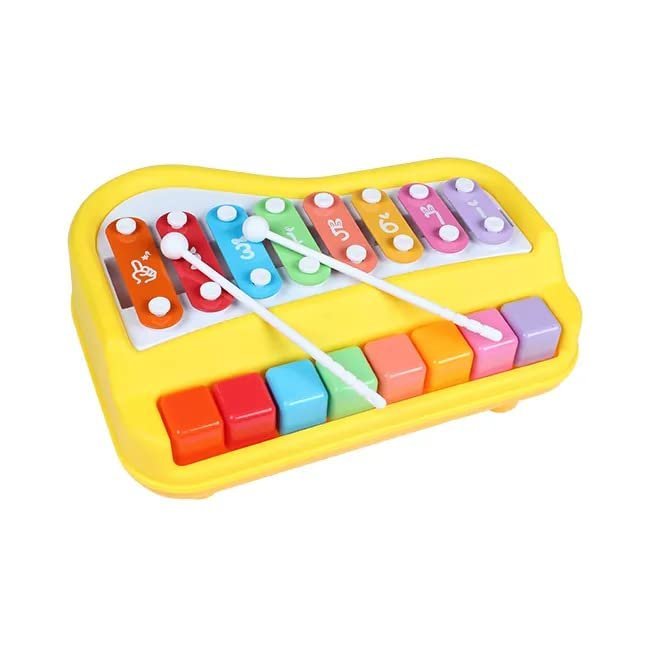
2 in 1 Musical Xylophone and Mini Piano for Kids – Educational Musical Instruments Toy Set for Babies, Non-Battery- Assorted Color (Big)